Find the right car parts, tools and accessories, the first time
Search OEM and aftermarket parts, compare replacement components, and follow plain-English guides to fit, maintain and repair your vehicle.
Shop car parts and tools by category
From essential replacement components to diagnostic tools and everyday accessories, start with the group that matches your job.
Essential car parts
Filters, belts, batteries and other replacement components.
Diagnostic and repair tools
OBD2 scanners, hand tools and jacks for DIY work.
Brake and tire care
Pads, rotors, tire tools and pressure checks.
Engine and transmission
Oil, fluids, spark plugs and service basics.
Interior accessories
Seat covers, floor mats and cabin organizers.
Exterior accessories
Lighting, covers, racks and body protection.
Tech and gadgets
Dash cams, chargers, mounts and smart add-ons.
Safety and emergency
Jump starters, first-aid kits and car seat safety.
OEM, aftermarket or remanufactured?
Each option suits a different budget and repair. This general guide shows the usual trade-offs.
OEM parts
Made to the carmaker’s specification.
Aftermarket parts
Made by other brands, from budget to performance.
Remanufactured
Used cores rebuilt to working standards.
General guide only. Quality and warranty vary by brand, so check the seller’s terms. Read our brand comparisons
How to buy the right part in four steps
A short routine that prevents most wrong-part returns.
Identify your vehicle
Note the year, make, model, trim and engine. Your VIN removes any doubt.
Find the part
Use the finder above or browse a category to locate the component you need.
Compare options
Weigh OEM against aftermarket on fit, warranty and price.
Install and maintain
Follow a step-by-step guide, then keep up with scheduled care.
A simple car maintenance timeline
General checkpoints to keep your car reliable. Your owner’s manual always has the final word.
Car seat and safety checks matter
Child seats expire, and emergency kits need fresh supplies. Read our safety guides before you buy or reuse.
Latest from the blog
Fresh tool roundups, how-tos and buying advice.

Tools to work on cars in 2026: the complete buyer’s list
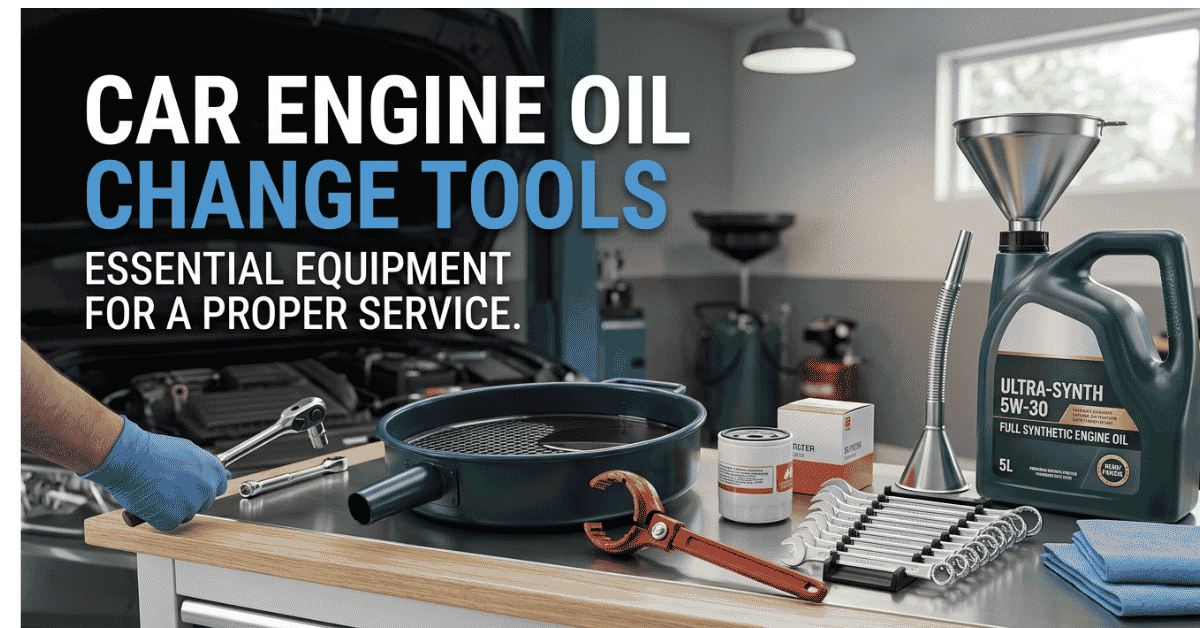
9 Car Engine Oil Change Tools Worth Having
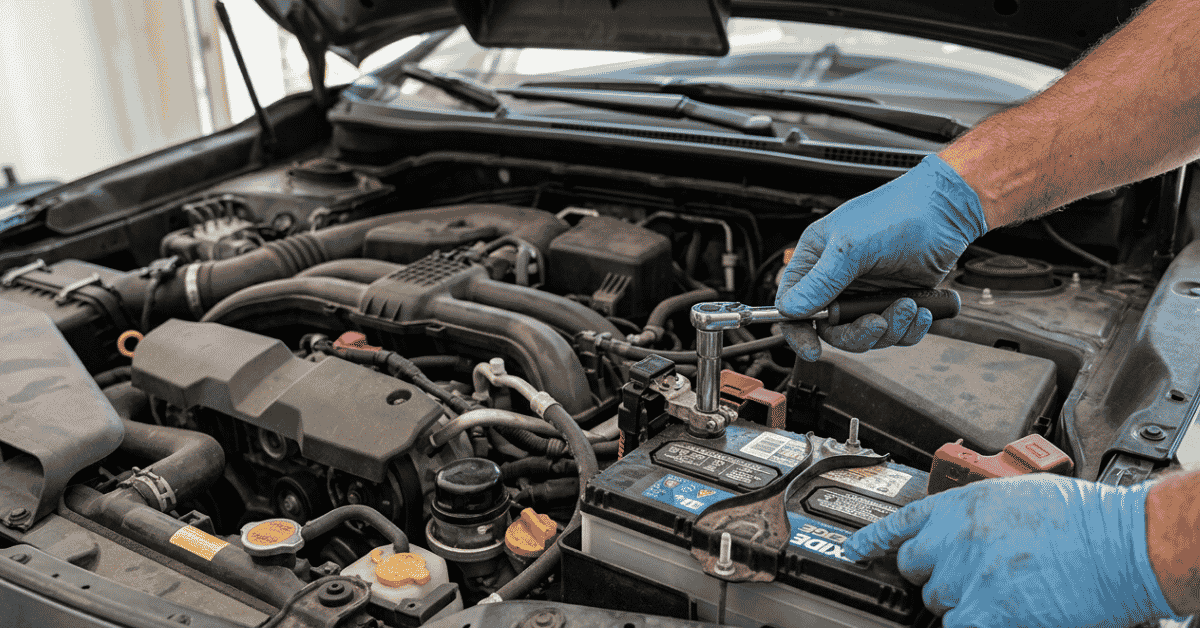
Safe Deft Tool to Remove Car Battery

How to Install a Deer Whistle Safely on your car

7 Car Window Washing Tools That Shine
Car Maintenance Schedule: A Simple Plan to Keep Your Car Running Smoothly
Car parts questions, answered
How do I know a part fits my car?
Match the year, make, model, trim and engine, and confirm with your VIN or the part number printed on the old part. Always check the seller’s fitment notes.
What is the difference between OEM and aftermarket parts?
OEM parts are made to the carmaker’s specification. Aftermarket parts come from other manufacturers and range from budget to performance grades, usually at a lower price with more choice.
Are remanufactured parts reliable?
Quality remanufactured parts are rebuilt to working standards and often include a warranty. Choose a reputable seller and read the return terms.
Which tools do I need for basic car maintenance?
A socket set, torque wrench, jack and stands, an OBD2 scanner and an oil drain pan cover most routine jobs. See our tool guides for specific picks.
How often should I service my car?
It depends on your vehicle and driving. Follow the schedule in your owner’s manual, and use our maintenance timeline for general checkpoints.
Do car seats really expire?
Yes. Plastics and harness materials wear over time, and manufacturers print an expiry date on each seat. Check the label and replace expired seats.
Ready to find your part?
Start with your vehicle, compare your options, and install with confidence.
Search car parts